





Load-bearing wall
A load-bearing wall (sometimes referred to as a 'bearing wall'), is a wall that supports vertical load in addition to its own weight and is an active structural element of a building. Load-bearing walls typically provide separation between the internal spaces of a building and transfer loads from other parts of the structure to the foundations.
This is as opposed to a partition wall, which provides separation between spaces, but is not load-bearing. See partition for more information.
The use of load-bearing walls date back to the earliest forms of construction. Gothic architecture introduced the flying buttress which allowed much larger interior spaces to be created by transferring the majority of the weight to the buttresses rather than the load-bearing walls. The development of high-rise buildings and particularly skyscrapers, which utilised a skeleton frame construction, removed the limitations placed on building design by load-bearing walls.
The loads that are usually supported by a load-bearing wall include those from the roof, any wall that sits directly above it, and floors, which can sometimes be built into or sit on top of an internal wall.
Load-bearing walls are commonly constructed using concrete, blockwork and/or brick. The thickness of the load-bearing wall is gauged according to the building type, the number of floors requiring support, the materials used to construct the wall, and any other imposed loads.
[edit] Related articles on Designing Buildings
- Bearing capacity.
- Building fabric.
- Curtain wall systems.
- Dead loads.
- Exterior wall.
- Floor loading.
- Flying buttress.
- Live loads.
- Load bearing.
- Loadbearing capacity.
- Partition wall.
- Party wall.
- Shear wall.
- Sleeper wall.
- Supported wall.
- Suspended timber floor.
- Types of structural load.
- Wall types.
- What are walls made of?
Featured articles
Check out some of the best features and news from Designing Buildings as well as key stories from around the web.
Building Regulations and Building Safety Act
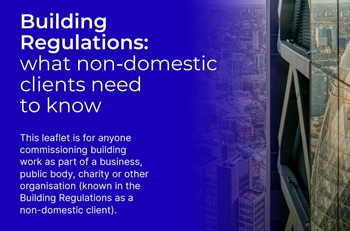
CIOB publishes free advice for non-domestic clients.

Building Safety Newsletter from MHCLG.

An extraordinary record of steel engineering worldwide.

Households living near new pylons to save on bills.

ECA warns growth must not outpace grid capacity or skills.
The role of the client and decision making

CIOB response to built environment professions call for evidence.
Construction's sustainability reporting revolution
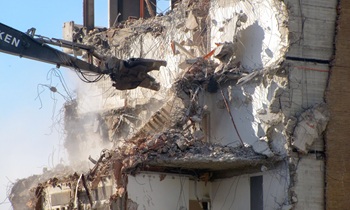
Tracking upfront embodied carbon with digital tools.
ECA welcomes procurement reforms

Public spending must back British jobs and skills.
Campaigning for Edinburgh: the Cockburn Association 1875-2049

The role of the civic voice in protecting character. Book review.

CIOB photography competition is open for entries.
ECA Edmundson apprentice of the year award

Finalists announced.
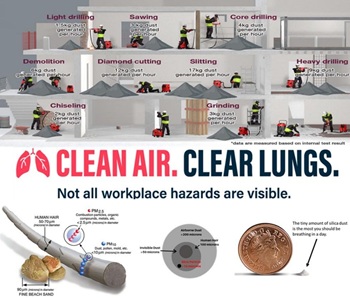
Major new study exposes serious knowledge gaps.